Office: +90 212 213 2423       Mobile:  +90 532 204 3168     Email: info@lamerdanismanlik.com

What Are the Responsibilities of an Elderly Caregiver? A Current Guide to In-Home Elder Care

What Are the Responsibilities of an Elderly Caregiver?
A Current Guide to In-Home Elder Care

When it comes to caring for an elderly family member, everyone shares the same wish: for them to feel safe, comfortable, and at peace. As time goes by, some daily tasks become more difficult for older adults. In such cases, having a reliable caregiver by their side brings peace of mind to the whole family. So, what tasks can we expect from a caregiver? What are the responsibilities of an elderly caregiver? In this guide, we go over the daily duties of an elderly caregiver.

Responsibilities of an Elderly Caregiver May Vary by Individual

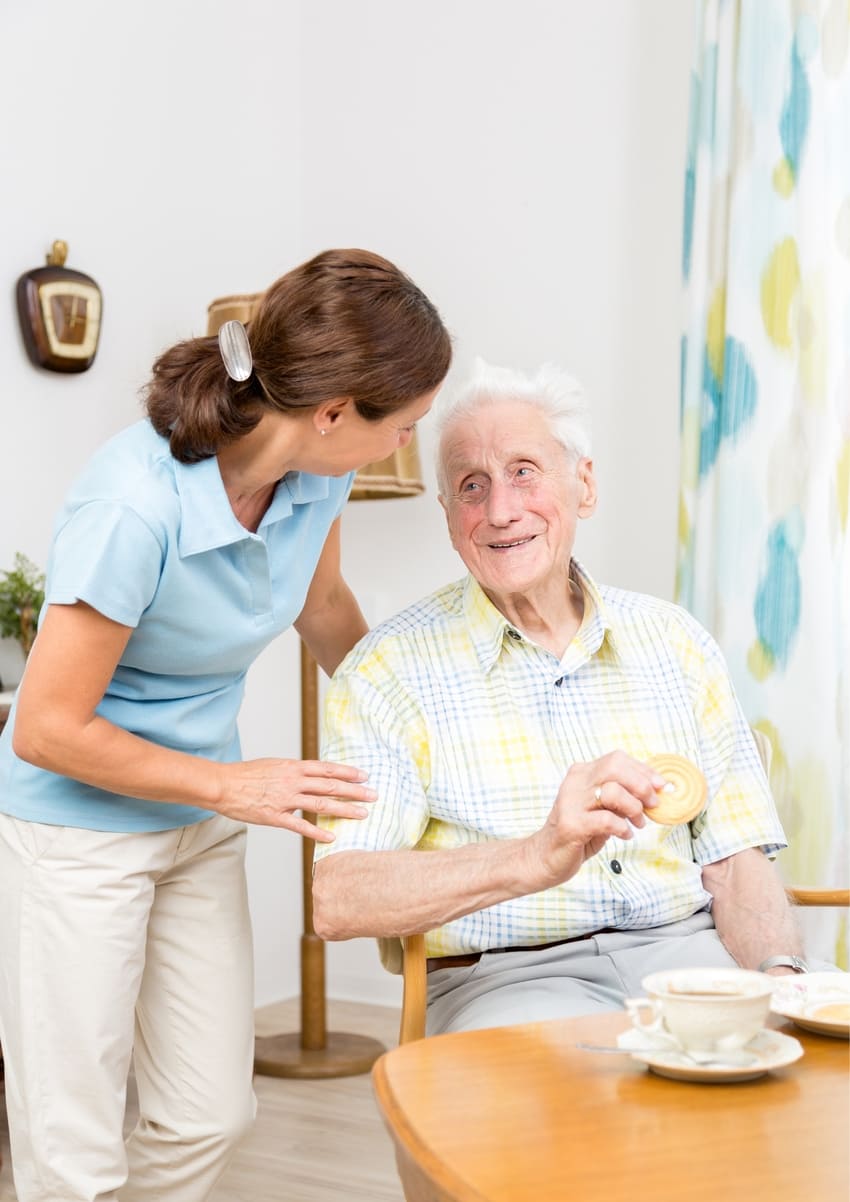
Every older adult has different needs. The responsibilities and duties of an elderly caregiver depend on how independently your loved one can manage daily life. For example, some may only need someone to help maintain daily routines because the family does not want them to be alone. Others may need someone to remind them of medication times, offer an arm while walking, and assist with household tasks. Therefore, each caregiver’s task list is not the same.

Latest Blog Post 

Evde Yaşlanmak Daha Sağlıklı

Scientific Research Shows:
Aging in Place is Healthier

Even when we host our parents in our own homes, after a few days we often hear that familiar phrase: “I want to go home.” We usually perceive this as just a habit. However, it expresses a much deeper need: the human necessity to be where one feels safest.

Read More

Elderly Caregiver’s Task List

The responsibilities of an elderly caregiver cover a wide range from personal hygiene and grooming to nutrition, medication follow-up, and physical support. A caregiver’s duties will vary depending on the older adult’s mental and physical health condition. In this list, we will focus on the essential duties.

Safety and Security
  1. First and foremost, taking measures to reduce the risk of falls inside the home (for example, checking carpet edges, placing non-slip mats on slippery floors, removing objects that have fallen to the ground).
  2. Checking that doors, windows, the stove, and electrical appliances are turned off and unplugged.
  3. Assisting with walking or movement when needed.
  4. Checking who is at the door when the doorbell rings.
  5. Checking whether the people calling the older adult on the phone are known or unknown.
  6. Knowing how to act in an emergency and intervening quickly; informing the family of unusual situations.
Nutrition and Meal Follow-Up
  1. Preparing healthy meals suitable for the older adult’s eating habits or, if the doctor has recommended a nutritional plan, following that plan. Feeding them if necessary.
  2. Not skipping meal times and snacks.
  3. Reminding them to drink enough water throughout the day and keeping track of their fluid intake.
Medication Follow-Up
  1. Reminding them to take their medications as prescribed by the doctor or administering them directly. Adding notes on medication packages to prevent mix-ups. This is also important so the family can easily follow medication schedules when the caregiver is off duty.
  2. Informing the family when medications need to be renewed.
  3. If the family assigns this duty, taking the person to the family physician or hospital is also part of the in-home elder care process.
  4. Taking regular measurements of blood pressure, blood sugar, or pulse if required during the day and recording them.
Personal Hygiene and Grooming
  1. Assisting with bathing, washing hair, cutting nails, and daily personal care.
  2. Helping with dressing and outfit selection; preparing clothing appropriate for the season and health condition.
  3. Regularly moisturizing the skin to prevent dryness, irritation, or wounds.
  4. Assisting in the bathroom if the person needs help; if the person uses adult diapers, handling hygiene and diaper changes.
Physical Support and Exercise  
  1. The individual’s knees may not be strong, they may have had surgery, or they may have been immobile for a long period due to a fracture. For this reason, the elderly care staff must assist with movements such as getting out of bed, sitting, walking, or climbing stairs.
  2. Carrying out the light exercises recommended by the doctor or staying nearby during exercise for safety.
Household Assistance and Organization
  1. Keeping frequently used items within easy reach and writing labels if needed.
  2. Keeping the areas used by the older adult clean and tidy (their room, bathroom, bed, and regularly changing bed linens).
  3. Helping with household chores: setting the table, tidying up after meals, hanging laundry, loading the dishwasher, ironing clothes, etc.
  4. Keeping the home organized in a way that increases the older adult’s comfort is also among the elderly caregiver’s duties and responsibilities.
Companionship
  1. Chatting with them during the day and preventing them from feeling lonely.
  2. Accompanying them to doctor appointments, shopping, or short walks.
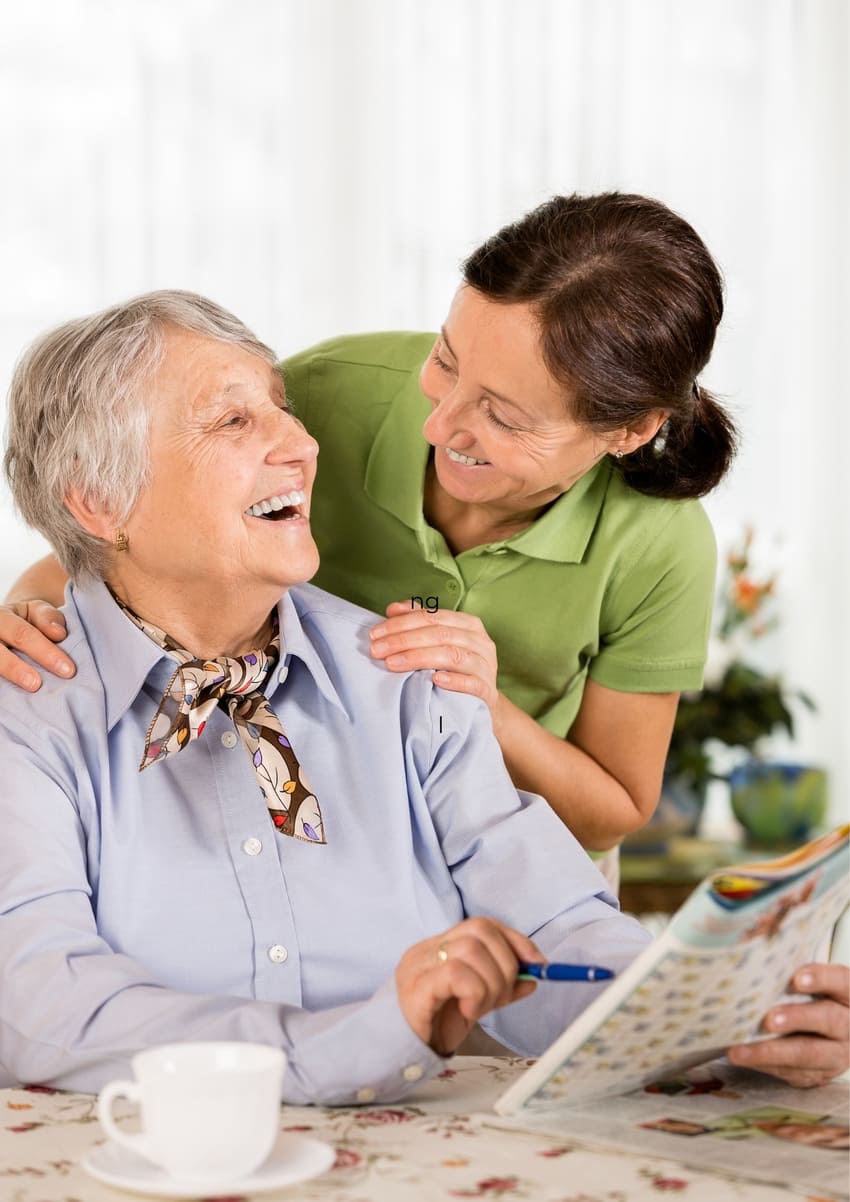
  3. Encouraging them to engage in mental activities such as reading or solving puzzles.
  4. Monitoring the older adult’s mood and emotional well-being. Since the caregiver will get to know them over time, they should do small things that make the older adult happy.
  5. Lastly, the presence of a good elderly caregiver brings peace to the family. Elderly caregivers are not only helpers but also warm companions who reduce the person’s sense of loneliness.

An experienced elderly caregiver maintains professional boundaries in the home. This means keeping their private life separate from the work environment and not treating the home as a place to host personal visitors. Trust is very important for families, so a caregiver does not keep the home phone line busy for long periods and always adheres to confidentiality regarding the home address or the family’s personal information. As a result, all these behaviors are a natural part of protecting the older adult’s safety and the family’s privacy.

Looking for someone to support your mother or father is not just a search for a caregiver; it is also a need for peace and trust. At Lamer Danışmanlık we are here to help you find the most suitable caregiver for your family’s needs. If the person you are looking for is a reliable and experienced elderly caregiver who will give you peace of mind, you can contact us.

Our Consultants are
Ready To Listen To You

Call or Send a Message Now,
Get the Support You Need in a Fast and Reliable Way

error: İçerik korunmaktadır !!