
Insomnia in the elderly is a common condition that significantly reduces quality of life. We often hear complaints from older family members such as “I have trouble falling asleep” and “I wake up constantly during the night.”
Read MoreOffice: +90 212 213 2423 Mobile: +90 532 204 3168 Email: info@lamerdanismanlik.com
Can Artificial Intelligence Replace Human Caregivers?

The transformation brought about by technology has significantly elevated the use of artificial intelligence in the healthcare sector. Now, AI technologies can meticulously analyze patients' medical histories to create personalized treatment plans. Moreover, robotic assistants and AI-supported systems are increasingly being utilized in patient care. While these are highly positive developments, the question remains: Can AI truly replace the sincerity, compassion, and touch provided by a human caregiver?
Artificial Intelligence and the Transformation of Healthcare
AI technologies analyze information such as past treatments, test results, and genetic data to recommend individualized medications, therapies, or lifestyle adjustments. For instance, they enhance the treatment process by offering personalized dietary plans based on the metabolic data of diabetic patients.
Thanks to its continuous learning capability, AI can assess patients' responses to treatments and update care plans accordingly. For example, it can provide alternative solutions if a medication does not yield the expected results.
Latest Blog Post

Patient Monitoring and Interaction
Wearable sensors and smart devices enable real-time monitoring of patients' vital signs, such as blood pressure and glucose levels. This data sends early warnings to healthcare personnel, preventing emergencies. Thus, patients can receive uninterrupted and personalized healthcare services even remotely.
Robotic Elderly Caregivers in Japan
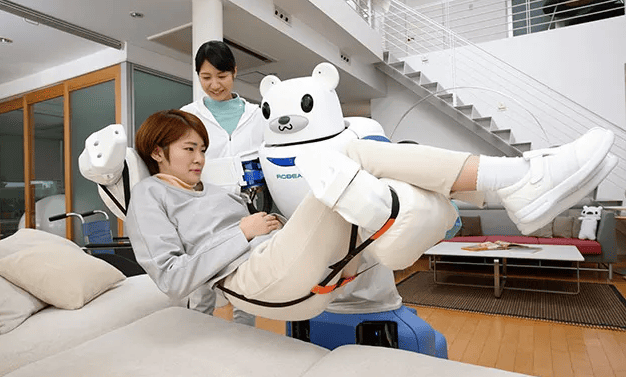
Japan widely employs robotic technologies, particularly in the care of its elderly population, which constitutes 30% of its demographic. These robots not only provide physical assistance but also communicate with the elderly, aid them in daily tasks, and alleviate their loneliness. They encourage mental and physical exercises, remind them of medication times, and offer companionship through conversations. This empowers the elderly to live more independently.
Similarly, in Germany, robotic assistants streamline routine tasks in patient and elderly care. They support various functions, from medication dispensing to regular health monitoring, thereby reducing the workload for both patients and healthcare staff and enhancing the effectiveness of care services.
Can Artificial Intelligence Truly Replace a Human Caregiver?
The advancements in the healthcare sector clearly demonstrate the advantages offered by AI. AI systems can perform tasks like reminding patients of medication times and monitoring their vital signs. However, can they hand a patient their medication with a glass of water? Assist them with bathing? Recognize when a patient is feeling down and offer a comforting hand? Currently, no.
Providing the human touch and intuitive support that a caregiver offers remains beyond AI's current capabilities. In the future, the collaboration between AI and human caregivers will likely make care services more efficient. Although technology cannot replace human touch, it can play a supportive role, enhancing the quality of life for patients and the elderly.
Our Consultants are
Ready To Listen To You